
Jenna
Jan 5, 2026
Many adults first notice hearing loss in noisy or busy environments. Conversations can blur, background noise may drown out words, and people may seem to “mumble.”
For Dr. William, a busy professional, the first signs appeared gradually in everyday life. Group dinners, work meetings, and even casual conversations became increasingly challenging.
“The first sign of hearing loss was having to have people repeat things and having my wife not hear me and wonder if I was ignoring her, especially having difficulty in crowds and missing conversations and such,” Dr. William recalls.
These subtle challenges can quietly affect confidence, relationships, and overall quality of life. Often, people initially brush them off as fatigue or inattentiveness, but they may indicate the early stages of hearing loss. Recognizing these signs early can prevent frustration from building and help maintain harmony at home and in social settings.
Dr. William’s First Warning Signs: Crowds, Conversations, and Misunderstandings at Home
Hearing loss can creep in gradually, making it difficult to detect until miscommunications become noticeable. For Dr. William, the impact was both social and personal.
In crowded environments, he struggled to follow conversations. At home, his wife sometimes assumed he wasn’t paying attention, leading to repeated explanations and frustration on both sides.
“Before I had the hearing aids, I just struggled to have an ordinary conversation in the living room with my wife or in the car, and especially in a gathering,” Dr. William shares.
This pattern is common among couples experiencing untreated hearing loss. Small misunderstandings can accumulate, creating tension and emotional distance.
Beyond frustration, these communication gaps can affect confidence, social engagement, and overall well-being. Dr. William’s experience underscores the importance of recognizing early signs, difficulty hearing in crowds, missing words, or needing frequent repetition, as signals to seek help.
Finding Aim Hearing & Audiology: A First Visit That Was “Fabulous”
After moving to the area and hearing about Aim Hearing & Audiology, Dr. William decided to schedule an appointment. “My first experience with them was fabulous. I mean, I had a great experience,” he says.
From the moment he arrived, Dr. William felt welcomed and supported. Our environment is designed to make patients comfortable and encourage honest conversations about their hearing challenges. Every interaction is focused on understanding the patient’s unique needs, helping them feel reassured and confident about the care they are receiving.
This first visit set the stage for meaningful improvements. By combining professional expertise with a warm, patient-centered approach, we ensured that Dr. William’s concerns were addressed thoroughly. The result was a sense of trust, clarity, and hope for the future.
Dr. Shannon’s Approach: Asking the Right Questions and Exploring What Others Miss
Dr. Shannon, the audiologist who worked with Dr. William, left a lasting impression for her combination of technical expertise and genuine care. “Shannon was the provider that I saw, and she was just awesome. She listened to my questions, asked me questions about my problem, discussed things that I hadn't even thought about with hearing loss,” Dr. William recalls.
Shannon’s approach goes beyond routine testing. She asked detailed questions about daily challenges, social interactions, and the emotional impact of hearing difficulties – things many patients overlook. This comprehensive evaluation helped Dr. William fully understand his condition, and it reassured him that he was receiving personalized care tailored to his lifestyle.
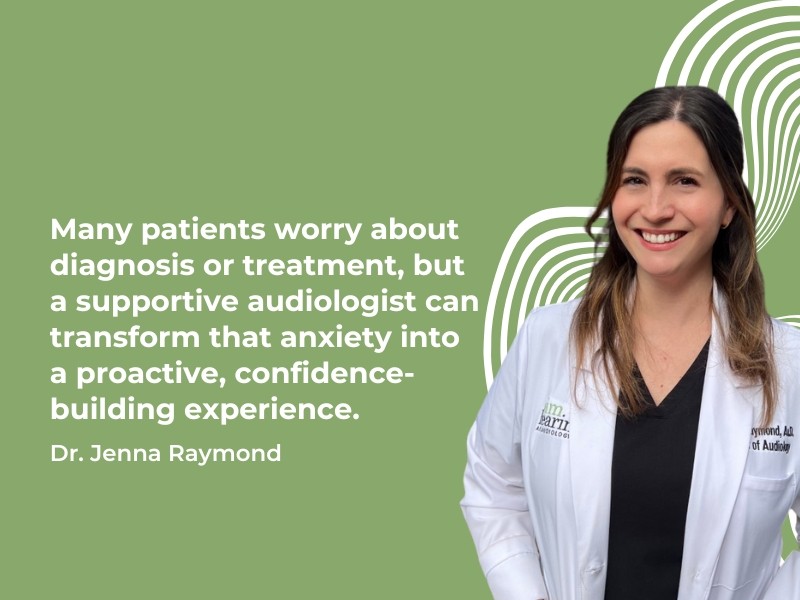
Dr. Shannon’s thoroughness also addressed his initial fears about confirming hearing loss. Many patients worry about diagnosis or treatment, but a supportive audiologist can transform that anxiety into a proactive, confidence-building experience. For Dr. William, this marked a turning point in how he approached his hearing health.
Before Hearing Aids: Communication Breakdown and Frustration at Home
Before receiving hearing aids, Dr. William experienced significant challenges in everyday life. Simple conversations at home became tiring. Social gatherings, meetings, and car rides required extra focus, and he often missed key details.
“Before I had the hearing aids, I just struggled to have an ordinary conversation…especially in a gathering,” he says.
These challenges are all too common. Untreated hearing loss can cause frustration, stress, and even feelings of isolation.
In relationships, it often leads to repeated explanations, tension, and emotional distance. For Dr. William, this meant not being fully engaged in the moments that mattered most with his wife, family, and friends.
After Hearing Aids: A Happier Home, Better Communication, and Renewed Engagement
The introduction of hearing aids transformed Dr. William’s daily life. Conversations became easier, social gatherings more enjoyable, and routine interactions less stressful.
“I just feel so much more engaged with people when I get together with them,” he shares. The benefits extended directly to his marriage: “My wife is a lot happier because she doesn't have to repeat things to me all the time, and it's made my marriage a lot better.”
Hearing aids restore more than sound – they restore relationships, confidence, and quality of life. By amplifying speech clearly and reducing background noise, they allow patients to re-engage in conversations, follow discussions in crowded spaces, and feel fully present in social and personal interactions.
Why Difficulty Hearing in Crowds Should Never Be Ignored
Difficulty hearing in noisy environments is often one of the earliest signs of high-frequency hearing loss. Ignoring these symptoms can increase cognitive strain, stress, and tension in relationships.
Early intervention, including hearing aids, provides the best outcomes. It improves speech understanding, reduces frustration, and helps maintain social engagement.
Patients like Dr. William demonstrate that seeking help promptly can transform both personal and professional life, allowing full participation in daily interactions without unnecessary stress.
“The Best Audiology Experience I’ve Ever Had”: Why Patients Trust Aim Hearing
Dr. William describes Aim Hearing as “the best audiology experience I've had in my lifetime” and as a “top-notch provider of audiology care. I wouldn't go anywhere else.”
He highlights our strengths: expert evaluations, personalized solutions, and a friendly, supportive team. By carefully selecting and fine-tuning hearing aids to each patient’s needs, we ensure optimal performance in all environments – quiet, conversational, or crowded.
Our approach demonstrates that professional care goes beyond treating hearing loss – it improves lives, restores confidence, and strengthens connections with family, friends, and community.
If You’re Struggling in Crowds or at Home, Aim Hearing Can Help
Difficulty hearing in group settings or at home is a clear signal that professional care is needed – but it’s also a challenge that can be overcome. Early intervention can quickly restore communication, confidence, and connection.
Conversations become easier, relationships stronger, and daily life more enjoyable. Aim Hearing & Audiology is ready to guide you every step of the way, providing expert care, empathetic support, and personalized hearing solutions.
Take the first step toward restoring clarity, connection, and confidence. Schedule your hearing evaluation at Aim Hearing today.
Frequently Asked Questions
1. How quickly will I notice a difference after getting hearing aids?
Many patients notice improvements in everyday conversations within days, especially in quiet settings. Full adaptation, including clarity in crowds, typically develops over a few weeks as the brain adjusts to amplified sound. Early use helps rebuild confidence and engagement in social situations.
2. Can hearing aids really improve communication at home and with loved ones?
Yes. Hearing aids reduce the need for repetition and ease tension in relationships. By amplifying speech clearly, they help patients feel more connected and engaged, restoring harmony in personal interactions.
3. Will I still struggle in noisy environments even with hearing aids?
Some background noise may still be challenging initially, but modern hearing aids are designed to filter noise and focus on speech. Regular adjustments and guidance from an audiologist optimize performance, making social gatherings and crowded spaces easier to navigate.
Sources
1. https://www.nidcd.nih.gov/health/hearing-aids
Provides a clear overview of how hearing aids work, what to expect during adjustment, and how they improve communication for people with hearing loss.
2. https://www.mayoclinic.org/diseases-conditions/hearing-loss/in-depth/hearing-aids/art-20044116
Explains how different types of digital hearing aids function, including amplification, sound processing, and fitting considerations.
3. https://www.asha.org/public/hearing/Hearing-Aids/
Offers practical guidance on selecting hearing aids, managing everyday listening challenges, and improving speech understanding at home and in noisy environments.