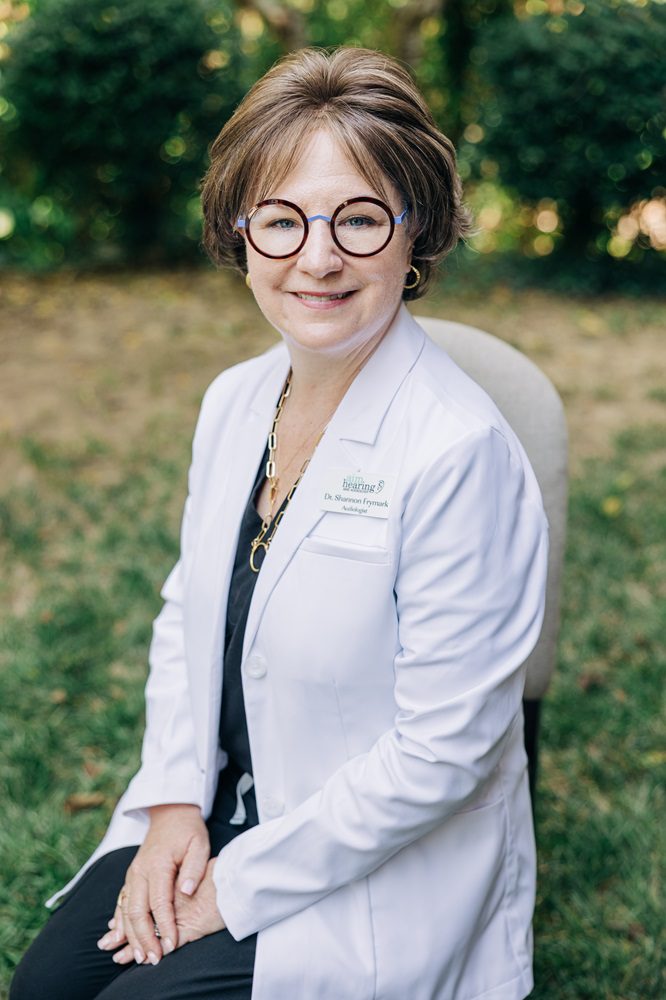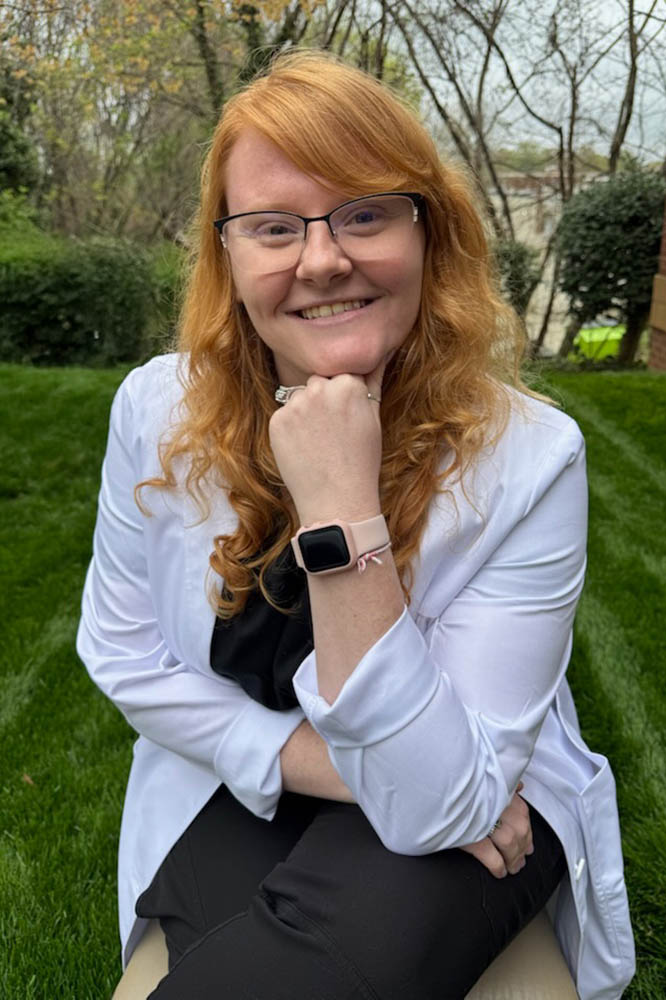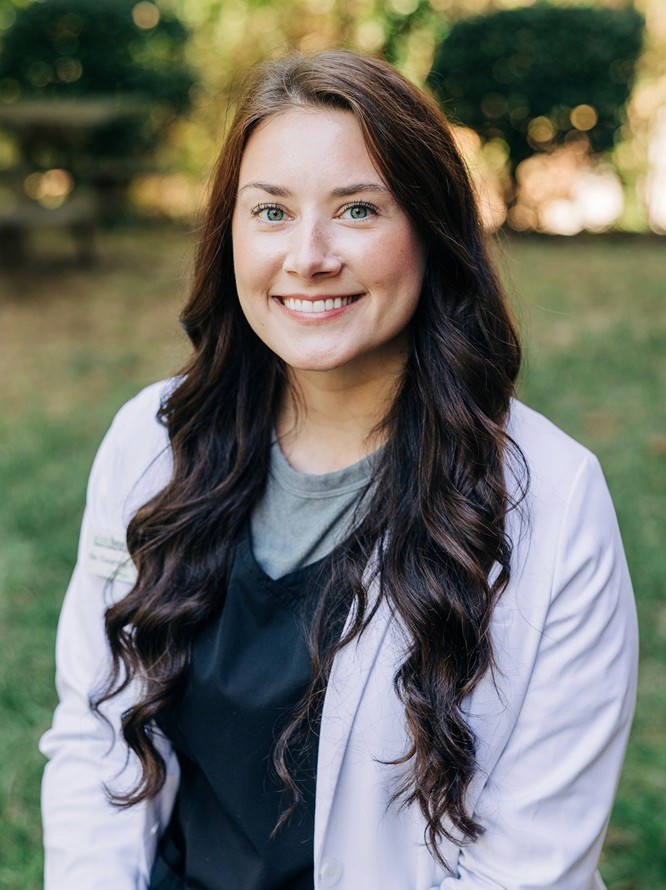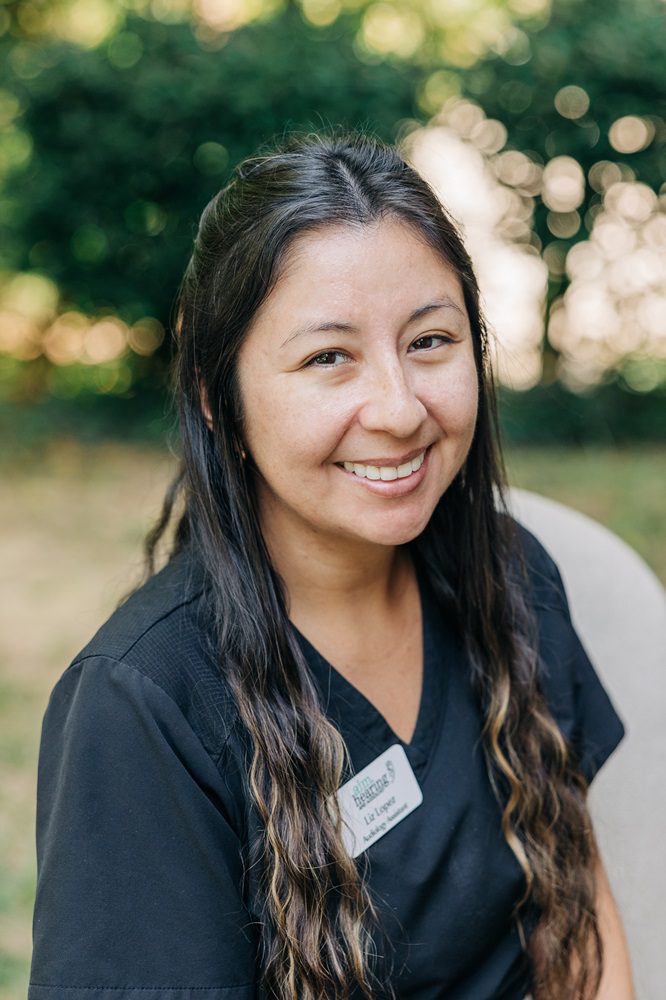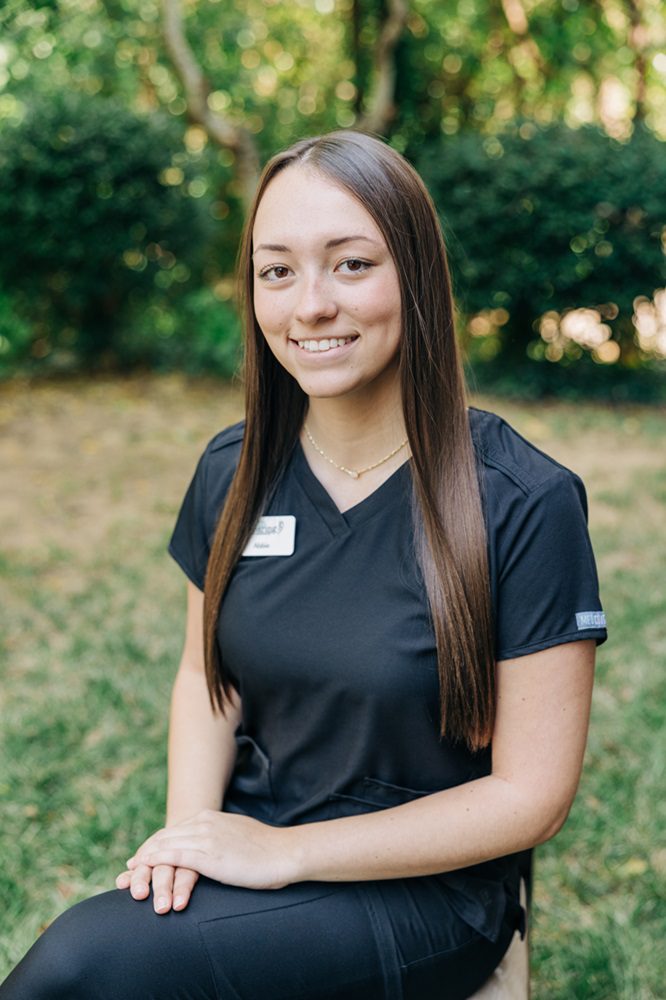

Dr. Shannon Frymark Au.D., CCC-A
Oct 6, 2026

October is National Audiology Awareness Month, a time to recognize the profound difference expert hearing care can make in a person’s life. For Donna, that difference began with something many of us take for granted: being able to hear and stay connected to the people we love.
When Donna and her daughter, Christine, came to us, hearing challenges had begun to make those connections increasingly difficult. After moving to the Greensboro area during the COVID-19 pandemic, Donna relied on phone calls to stay in touch with family and friends. Yet conversations that once felt effortless had become frustrating, and at times were nearly impossible.
Better hearing means more than simply hearing words clearly. In Donna’s case, it was about reconnecting with the people who matter most while maintaining her independence. Her journey toward better hearing began with something just as important: finding a team willing to listen, understand her experience, and take the time to find an approach that is right for her.
A Lifeline in the Midst of Isolation: Finding the Right Team
Imagine moving to a new area and your main way to connect with family and new friends is through the one device you struggle with most: the telephone. That was Donna's reality. During the pandemic, phone calls became an important way for Donna to stay connected, but the voices she heard often sounded muffled and distant.
Her daughter, Christine, knew she had to do something. She began reaching out to local hearing providers, looking for someone who could help her mother, but call after call went unanswered.
That’s when she called us. Aim Hearing Tinnitus & Audiology Wellness Center was the only practice that answered, and from that first call, Christine knew she had found a team that prioritized her mother's needs.
As Christine later told us, “Aim was a lifesaver for us, for her.”
Mastering the Tech: Seamless Care for Bimodal Hearing Solutions
Donna uses a bimodal hearing solution, with a traditional hearing aid in one ear and a cochlear implant in the other. Balancing two different devices takes specialized expertise and a thoughtful understanding of how Donna hears and communicates in her everyday life. That’s why, from the beginning, our approach centered on Donna herself.
Our expert team took the time to understand her lifestyle, the situations where she most wanted to hear with confidence, and what better hearing would mean for her day to day. Every part of her fitting was tailored around those needs, with the goal of creating a hearing experience that felt both natural and comfortable.
“The care and professionalism from Aim have been outstanding,” Christine shared.
Today, Donna carries a small, discreet remote microphone with her wherever she goes. At church, it helps her hear the pastor clearly, and in her retiree community, it allows her to follow conversations with friends. The microphone streams voices directly to her hearing devices, helping her follow conversations more easily without drawing attention to the technology itself.
A “Night and Day” Difference: Reclaiming Confidence and Independence
Before finding the right care, Donna often felt left out of conversations, and the independence she valued was becoming harder to maintain. Today, she describes the difference as “night and day.”
For Christine, the change has brought something equally meaningful: peace of mind. She knows her mother has a dedicated, compassionate team by her side that is committed to supporting her hearing health for years to come.
Christine has simple advice for anyone who may be hesitant or unsure about taking the next steps: “Take them!”
Donna’s story is a reminder that the right hearing care can do more than change the way you hear. It can help you reconnect and regain confidence in everyday life.
Make This October Your Turning Point
This National Audiology Awareness Month, let Donna’s story remind you that better hearing can begin with a single step.
At Aim Hearing Tinnitus & Audiology Wellness Center, you’ll find a team that takes the time to listen to you, understand your needs, and make sure you feel supported at every stage. From your first call to your ongoing care, you can count on compassionate and personalized support from people who are genuinely invested in your hearing journey.
If you’ve been putting off having your hearing checked, we’re here to help. Contact the clinic today to schedule a comprehensive hearing assessment with our expert team and take the first step toward hearing the life you love!
Frequently Asked Questions (FAQs)
Q: What should I do if my current hearing devices are no longer meeting my needs?
A: If your hearing devices don’t seem to be working as well for you as they once did, it’s worth arranging a review with your audiologist. There may be a simple explanation: Your hearing may have changed, or your devices may need cleaning, repair, updated programming, or additional accessories.
Bring your devices with you when you visit so they can be checked and assessed alongside your current hearing needs.
It can also be helpful to share specific examples of situations that are still challenging, such as following conversations in noisy environments or hearing clearly on the phone. This gives your audiologist a better understanding of what you’re going through and helps them identify practical ways to improve your listening experience.
Q: What are some signs that I should schedule a hearing assessment?
A: You may benefit from an assessment if speech often sounds unclear, you need to increase the television volume, you have difficulty using the telephone, or you struggle when several people are speaking.
Feeling tired after conversations or gradually avoiding social situations can also indicate that listening is requiring more effort.
Q: What happens during a comprehensive hearing assessment?
A: Your Doctor of Audiology will begin by talking with you about your hearing history and any communication challenges you may be experiencing. They’ll then examine your ears before carrying out a series of comfortable assessments to evaluate how you hear different sounds and understand speech.
Once the assessment is complete, we will explain your results clearly and take the time to answer your questions. Together, you can discuss any appropriate treatment, technology, or monitoring options based on your hearing needs and what matters most to you.
Sources